the cool Terroir
unique position
Can wine be grown at 56 latitude north? The answer is yes. A unique combination of geography and weather conditions makes wine growing a promising industry in our nothern region. It is a new terroir for viticulture, and we are constantly researching and reevaluating, in step with the ever-changing nature. But there are some facts. Promising ones.
The nearby sea provides a maritime climate that impacts the temperatures, sunshine and precipitation, together with the tip and the cape of the hill Kullaberg.
Thanks to our northern position we have plenty of daylight and long evenings during the important growing season.
We get grapes with high aromatic character and fresh acidity due to cool nights in autumn, as we can let the grapes hang longer on the vines and catch up more complexity and elegant integrated flavours.
The grapevine does not want it too comfortable, and here it has to work in a heterogeneous soil with a mix of sand and clay, with bedrocks of the unique Kullait mineral.
Together, these conditions create an harsh and favourable environment for the type of grapes we grow.
”We want to make the highest quality possible of what we have, and it all starts with the grapes”, says winemaker Nicola D’agostini.
Grape varieties
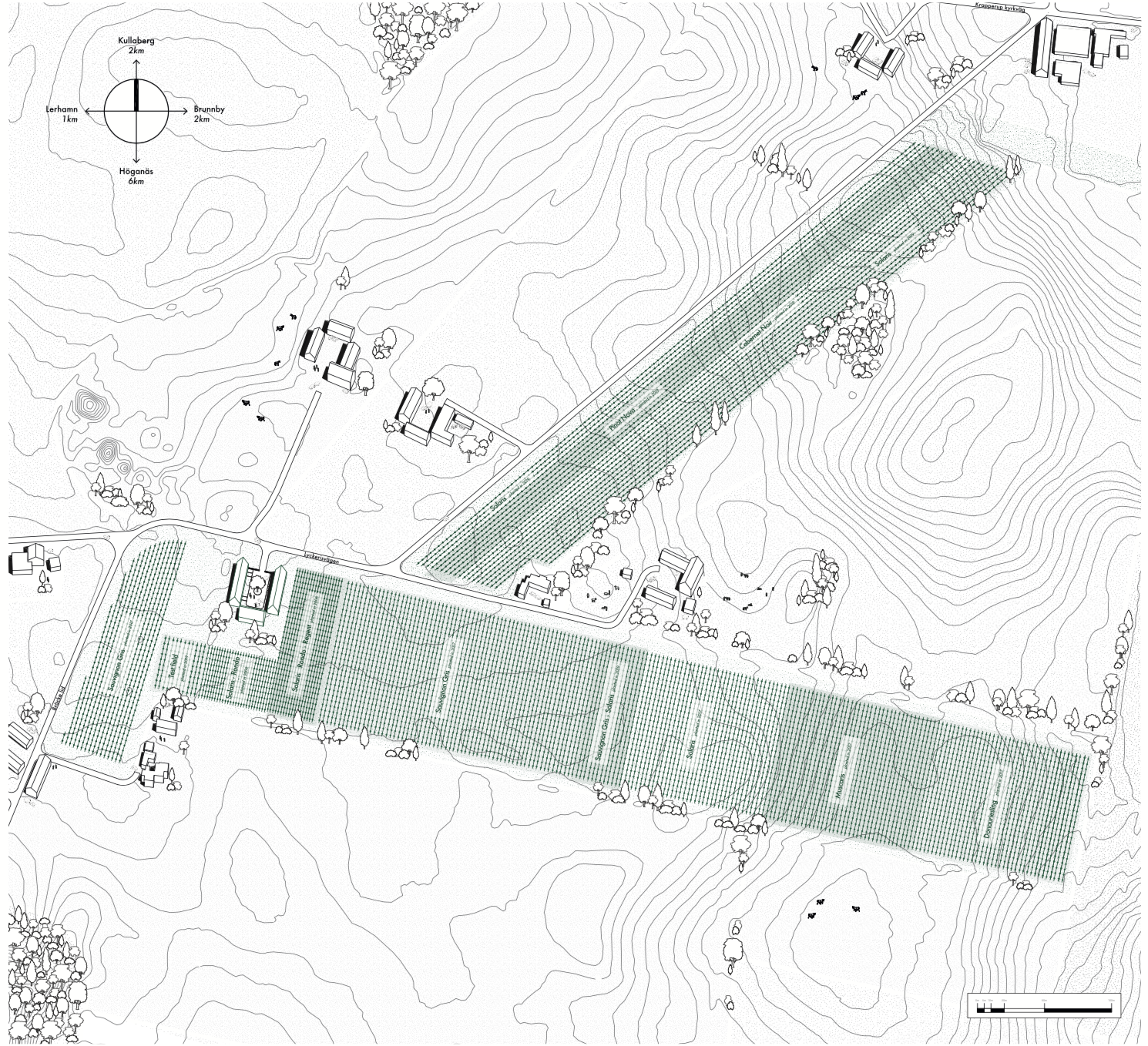
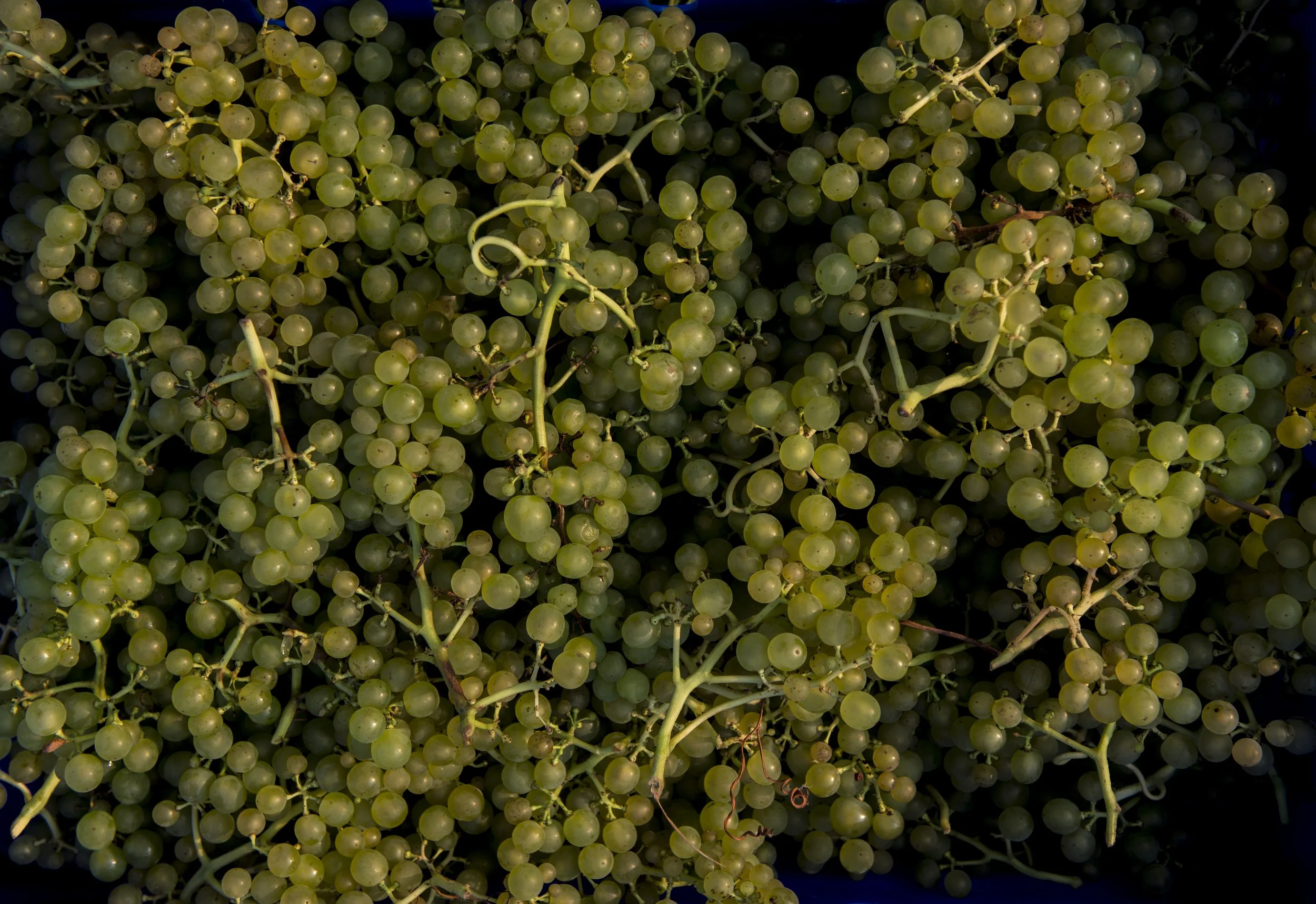
We have eight main grape varieties, spread over 22 hectars. For white wine we grow Solaris, Souvignier Gris, Donauriesling and Muscaris. Our red grape varieties are mostly Pinot Nova and Cabaret Noir as well as some Rondo and Regent. In the future, there will be more red grapes; it will be exciting to see especially how Merlot Kanthus and Nermantis thrive in our soil.
In addition we have a test field with 20 unique varieties to see how they get on in our terroir. This project was launched in 2017 and run in collaboration with SLU, the Swedish Agriculture University, and nurseries on the continent.
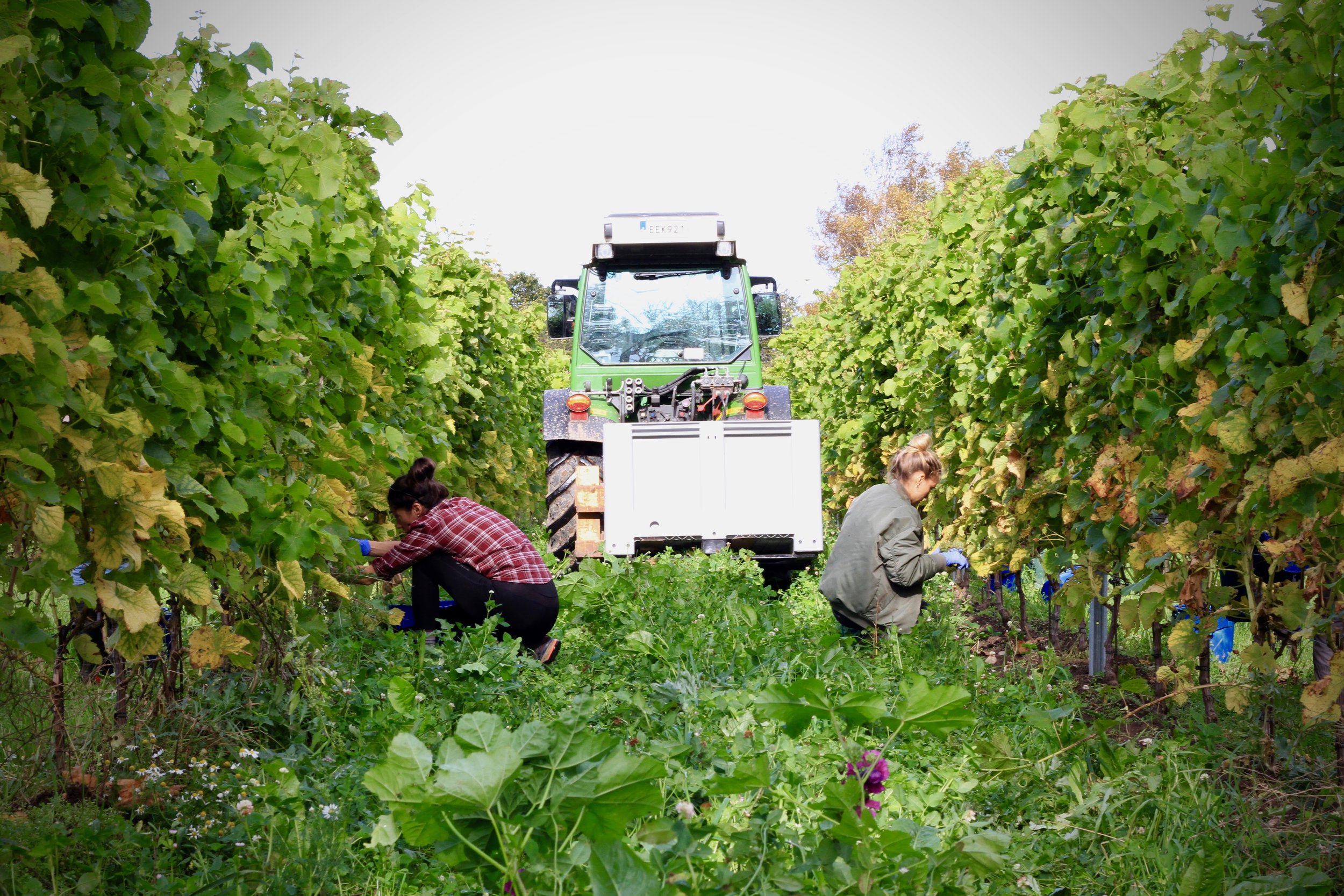
All our grape varieties belongs to the PIWI family (Pilzwiderstandsfähige Rebsorten), which means they have a high resistance to fungal diseases. Another bonus is that they can cope with the shorter growing season in a northern terroir. This characteristcs allows us to engage in sustainable viticulture and avoid spraying the vines with fungicides or pesticides. The result is reduction of energy consumption and Co2 emissons - better for nature.
Fewer tractor passes also mean that the soil structure retains its porosity, that favors microorganisms.
Plantations
-
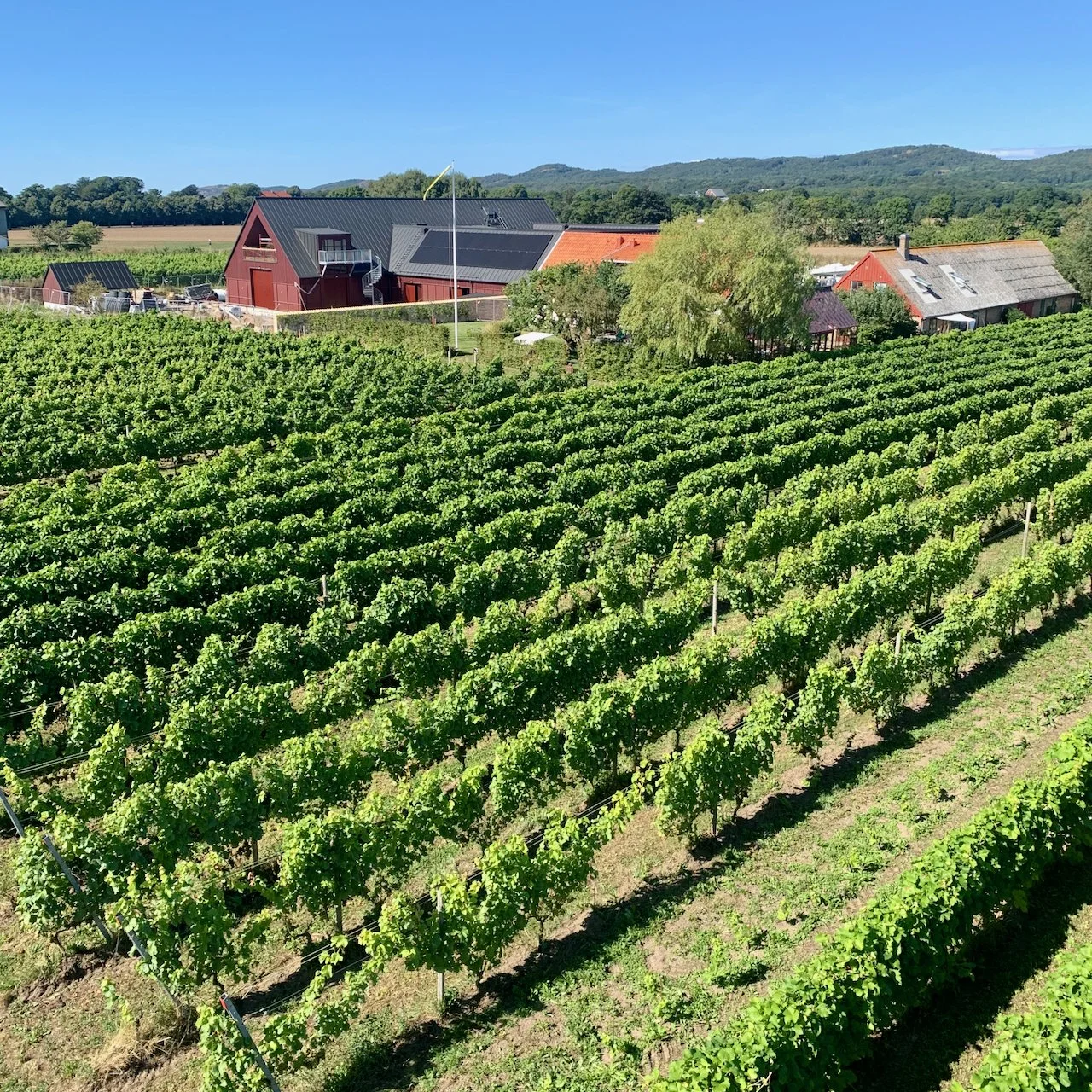
Old plantation
As the name suggests, Old plantation is our oldest field. It was planted by the previous owner back in 2006.
The grapes that grow here are Solaris and the reds Rondo and Regent, seen as pioneers among red PIWI grapes. -
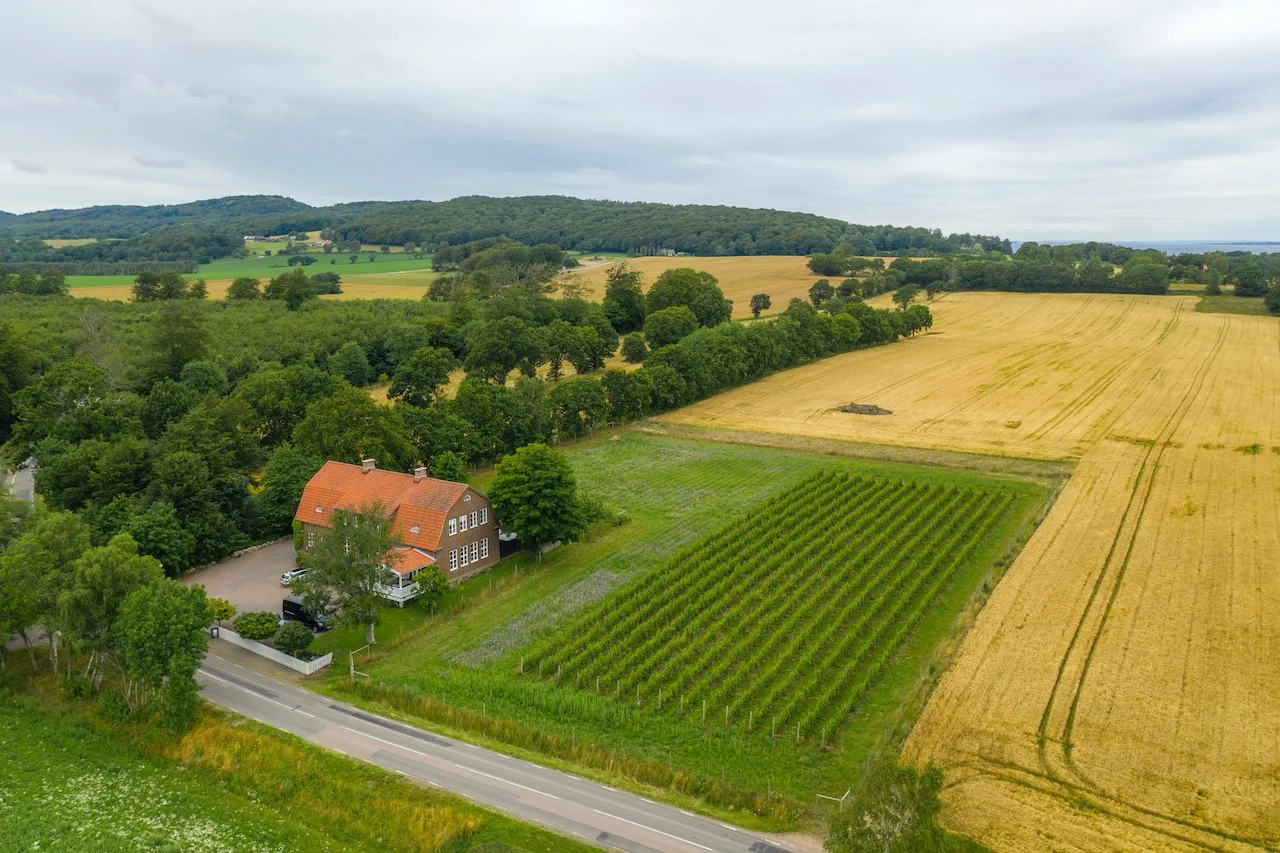
Schoolyard
Together with Old plantation, this is the oldest plot at our estate. Just like Old plantation, this was also planted in 2006, with some expansion in 2022. Here Solaris is king - it’s the only grape you’ll find here.
The field got its name since the old Bräcke School is next by. -
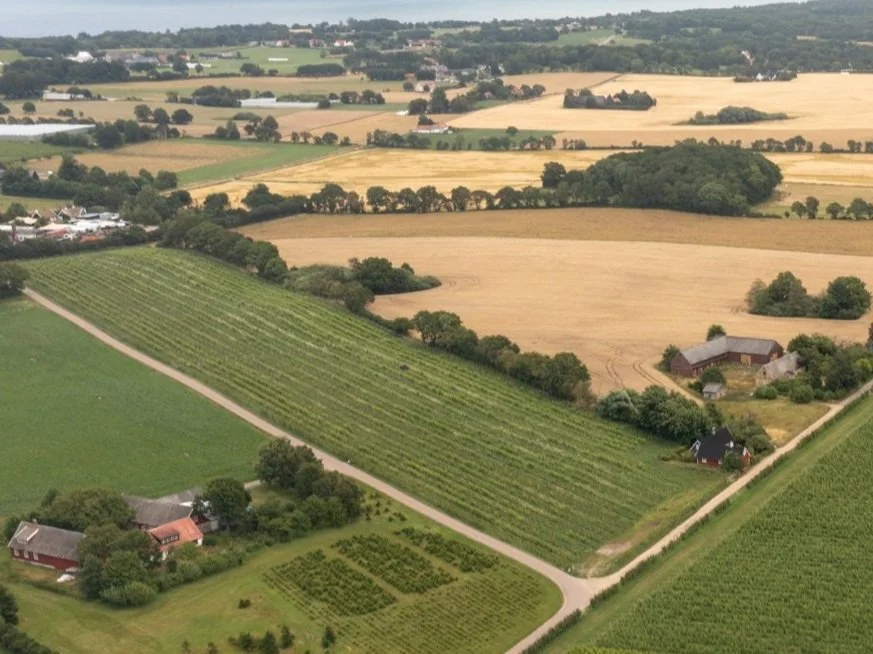
Long field
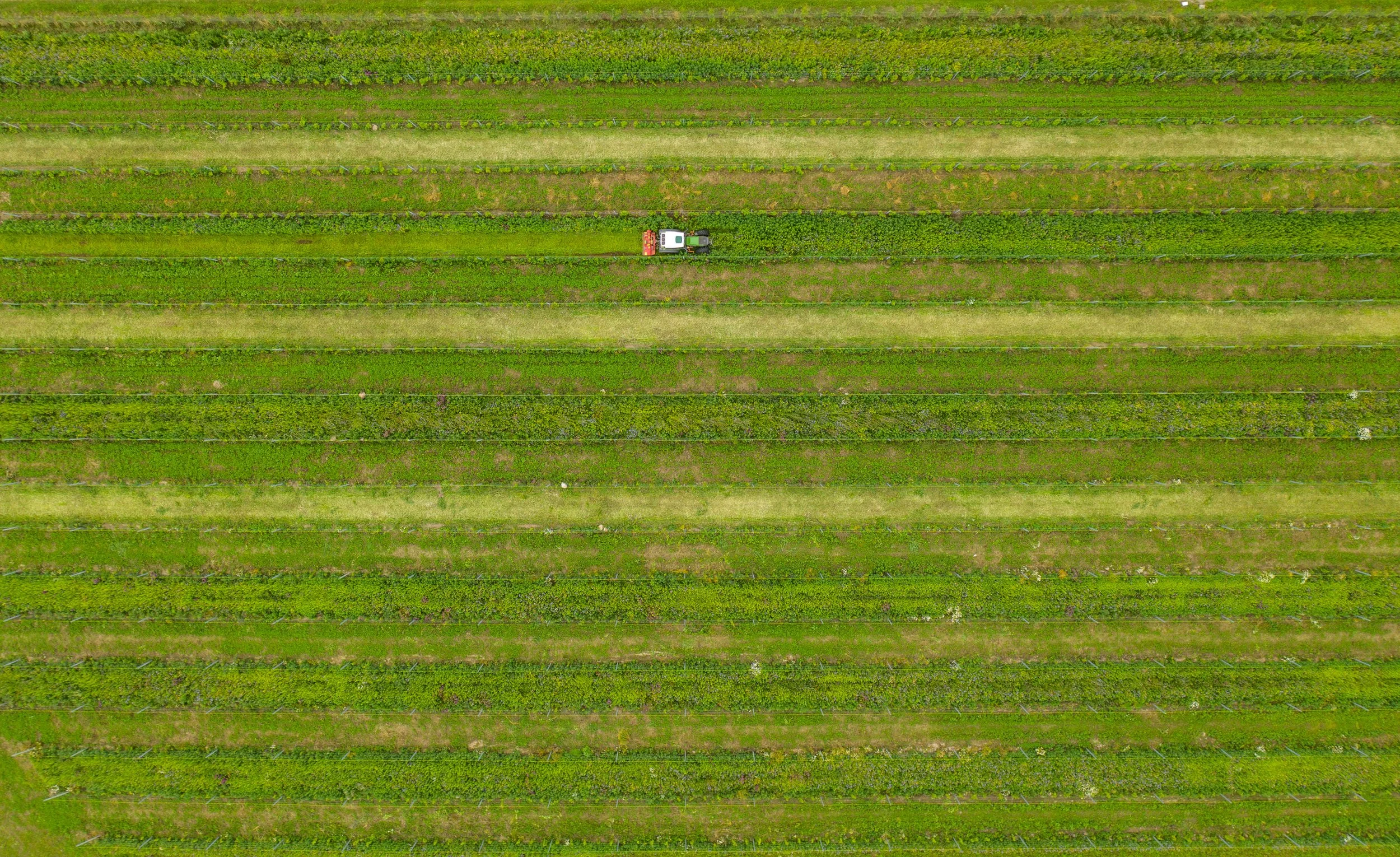
Long Field was planted in 2019. In this plantation the varieties Solaris, Cabaret Noir and Pinot Nova can be found. The name Long Field is obvious - this is the longest field we have with rows of 500 meters.
-
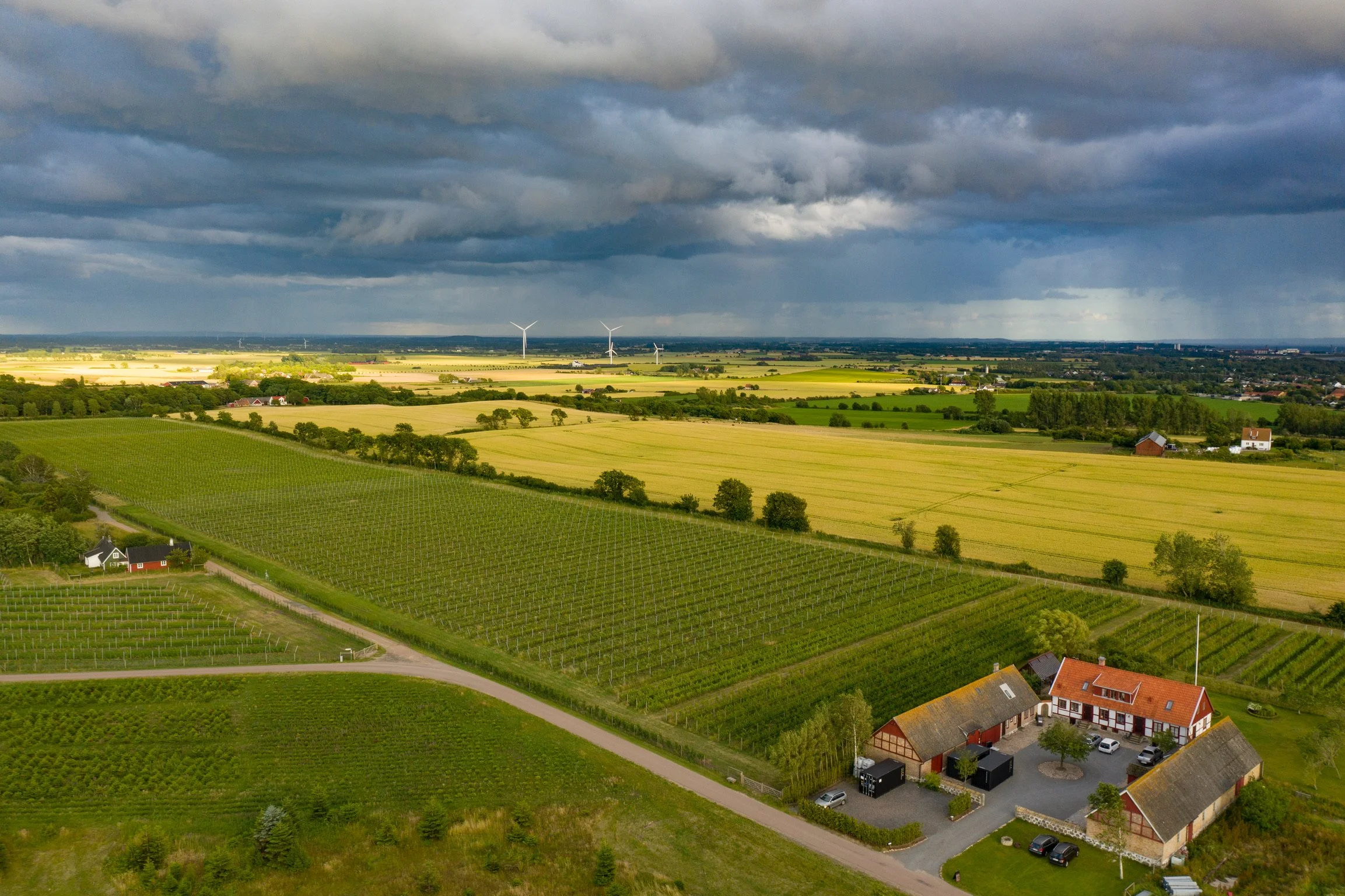
Big field
A major expansion was made at Big field in 2017. The varieties here are Souvignier Gris, Solaris, Muscaris, Donauriesling and some Cabaret Noir (planted in 2022). Big field is situated on the west side of the winery and runs all the way up to Lyckeri forest.
-
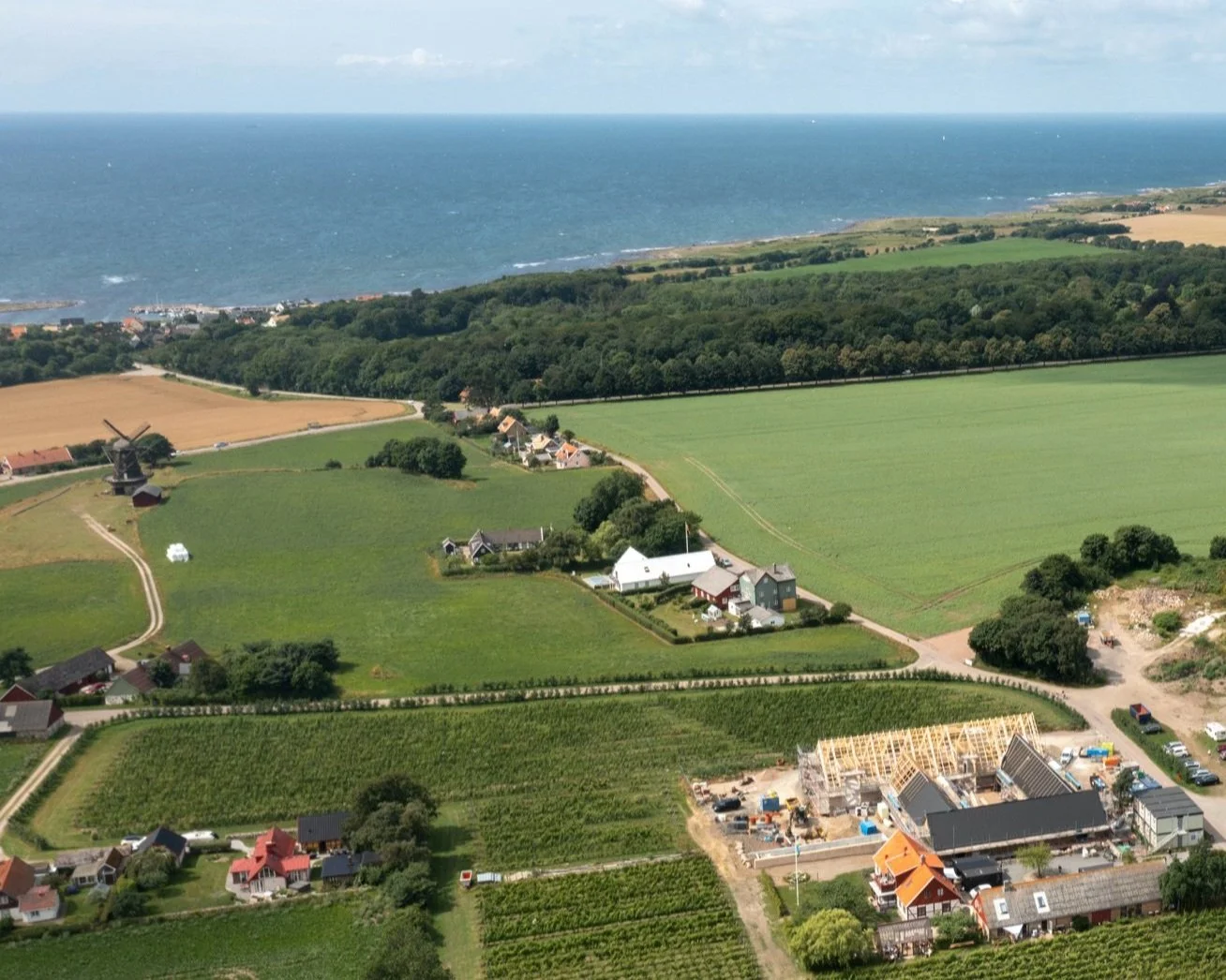
Mill field
Mill field is the plot that’s planted closest to the old mill here in Bräcke (which is somethimes put into practice). This plantation was created in 2017 and here you will find Souvignier Gris only.
Next to it is our test field with 20 different varieties. -
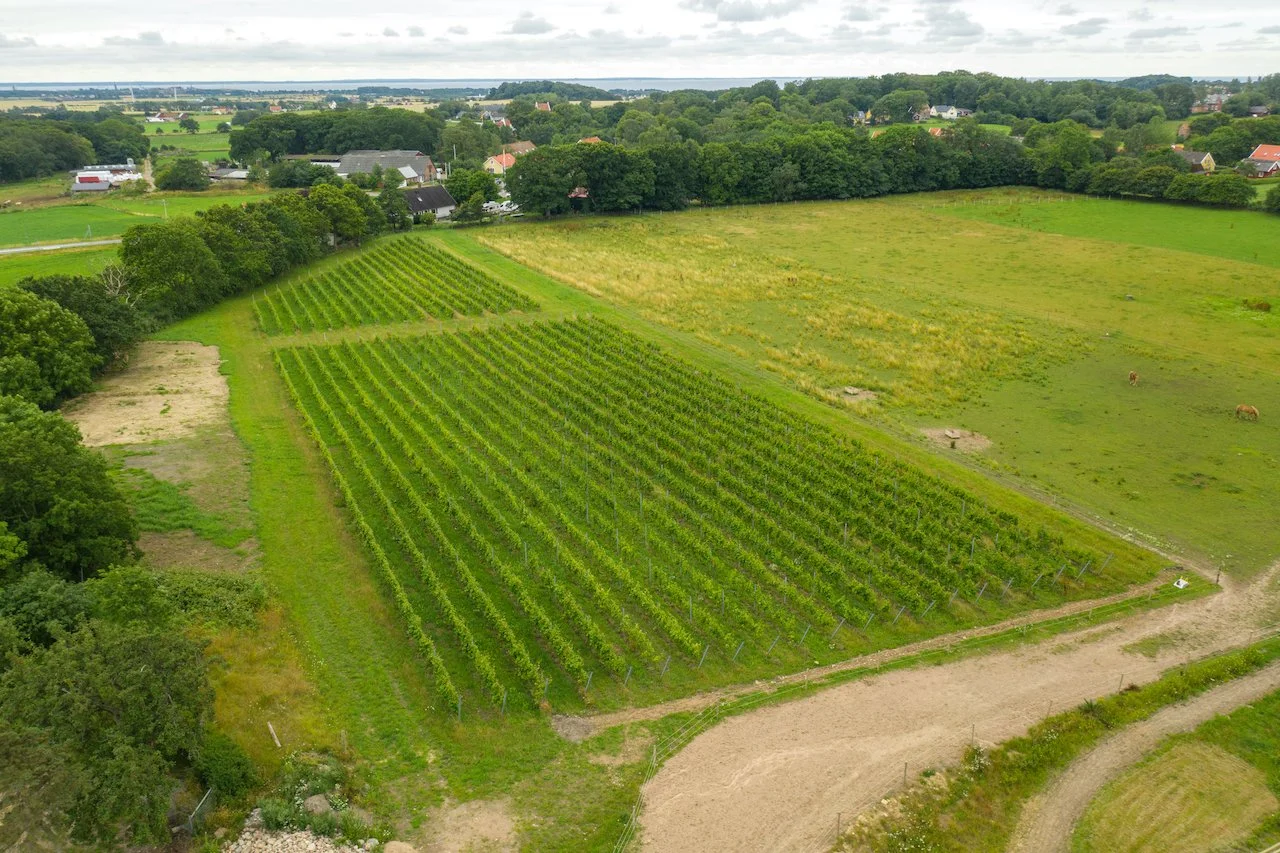
Jungs
On this field we have mostly Solaris but also some Johanniter, Spätburgunder and Auxerrois. It is situated a short drive from the winery, between the villages Brunnby and Arild.
-
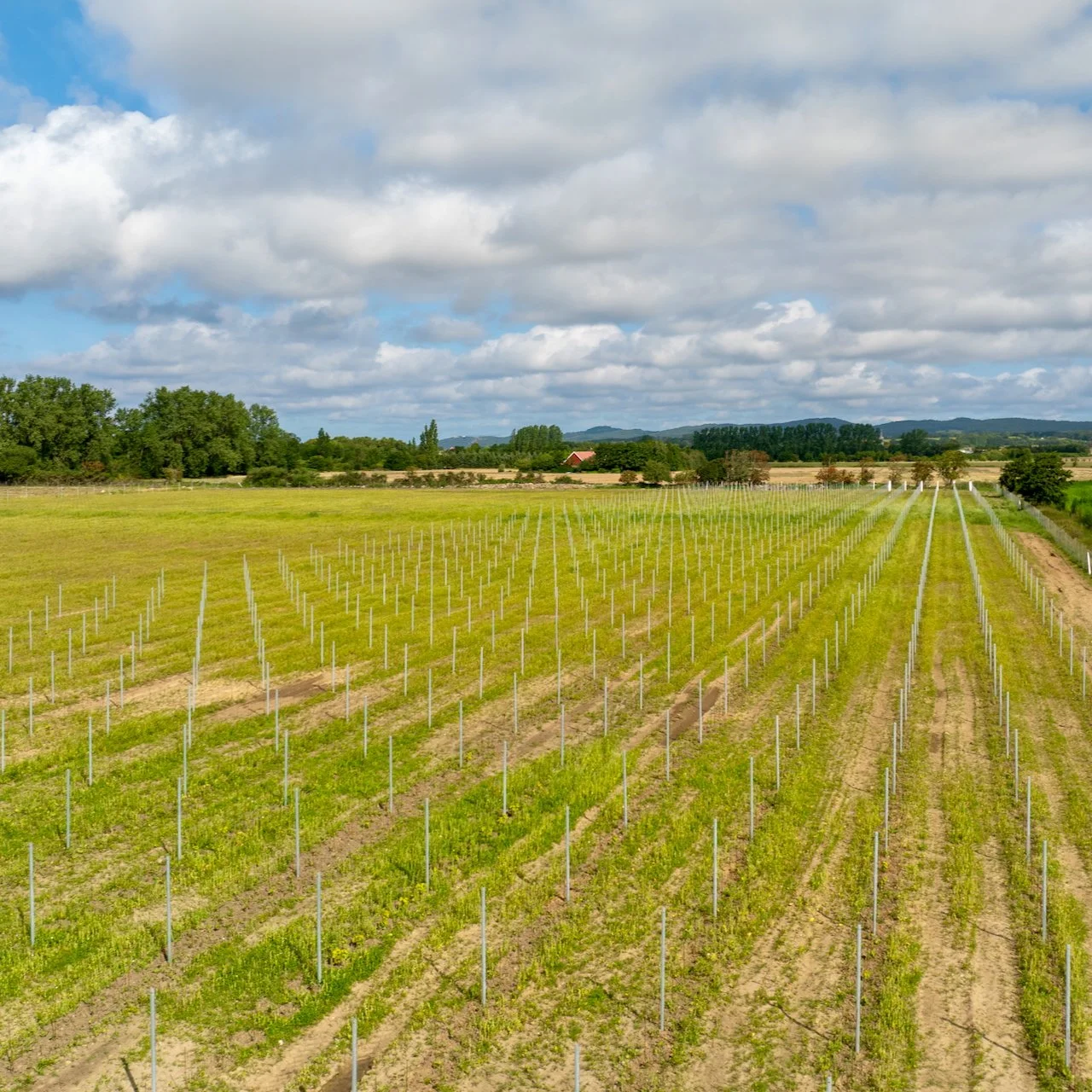
Strandbaden östra
Strandbaden is located four kilometers to the south of the main vineyard and is divided into two sections. Both parts of the field consist mainly of clay-dominated soil. In early summer 2024, we planted only Solaris on these four hectares.
-
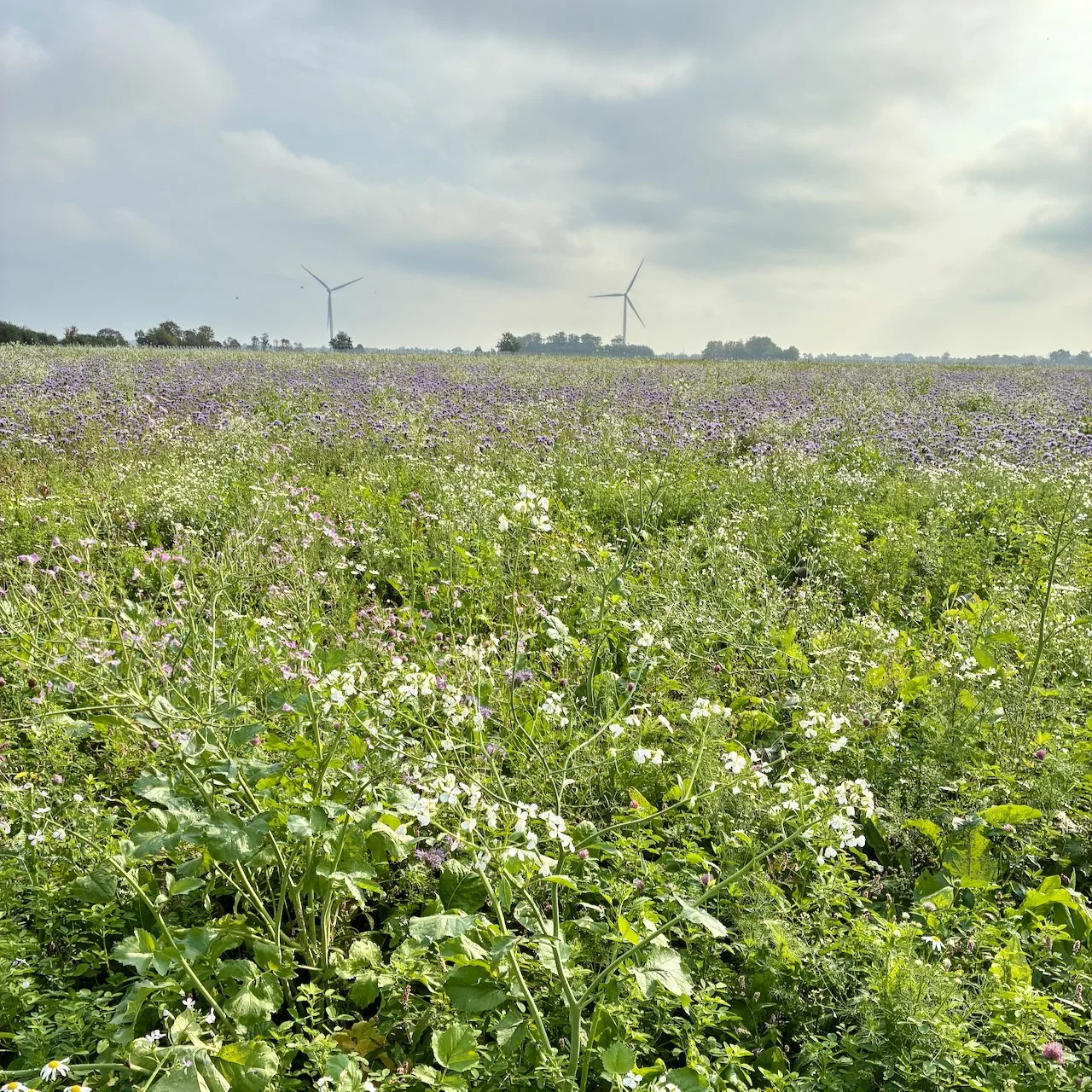
Strandbaden västra
This western section of Strandbaden, covering 4,5 ha, will be planted in spring 2026 after careful soil preparation and drainage. We have also planted cover crops for better soil health.
Half will be planted with Solaris, the rest with Pinot Nova and Merlot Kanthus. -
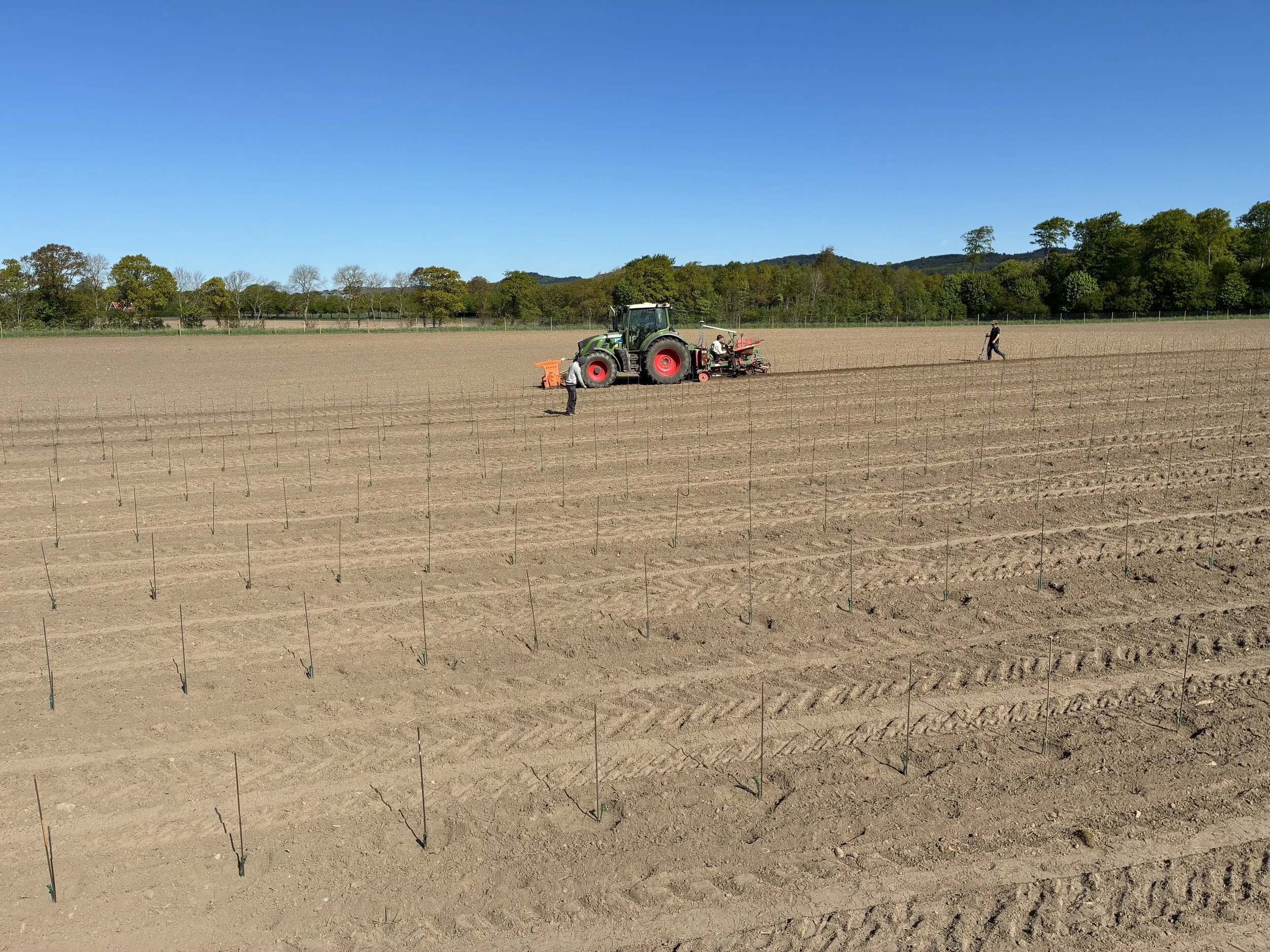
Fex field
The Fex field is located just around the corner from the winery and was planted in the spring of 2025. On these four hectares, we chose mostly red grapes: Cabaret Noir, Pinot Nova, Nermantis and Merlot Kanthus, but also some Souvignier Gris.